Cart is empty
0 Products
FREE DOMESTIC SHIPPING OVER $100. MADE BY NATURE. PERFECTED BY SCIENCE.
FREE DOMESTIC
SHIPPING OVER $100.


Cart
0 Product

Cart is empty
0 Products

Successfully making candles with terpenes depends less on a recipe and more on understanding aroma chemistry, ingredient compatibility, and regulatory context.
Terpenes are aromatic compounds that give plants their distinct aromas, and they can be used to contribute character to candle fragrance systems. Importantly, just like any other aroma ingredient, terpene performance in candles depends on how they’re used within the larger formulation.
For hobbyists, making candles with terpenes means thoughtful experimentation. For brands formulating candles at scale, it means partnering with suppliers who understand both aroma science and compliance realities.
In both scenarios, the more you understand the chemistry behind the scent, the better your candle will perform.
Yes, although the success of your candle formulation will depend on how well you understand the aroma system you’re working with.
Terpenes are volatile aromatic molecules. That volatility is what makes them smell so vivid in nature, but it’s also what makes them sensitive to temperature. In a candle, fragrance materials are exposed to heat during both the pouring process and the burn phase. Their behavior in those conditions directly affects scent performance.
So, while terpenes can contribute to candle fragrance, their performance isn’t as simple as “add and stir.” Wax composition, thermal stability, and fragrance structure all play a role in whether an aroma survives the process and performs the way you expect.
| Term | What it Means in Candle Formulation |
|---|---|
| Flashpoint | The lowest temperature at which a material produces vapors capable of ignition under controlled conditions. It does not determine ideal fragrance incorporation temperature. |
| Cold Throw | The perceived aroma strength of a candle when unlit. |
| Hot Throw | The perceived aroma strength and diffusion while the candle is burning. |
| Fragrance Load | The total proportion of fragrance material incorporated into a wax system (varies by formulation and compliance category). |
| Cure Time | The resting period after pouring during which fragrance and wax stabilize before evaluation. |
| Incorporation Temperature | The temperature range at which fragrance materials are blended into melted wax for optimal dispersion. |
Theoretically, using terpenes in candles is a simple process. You’ll need to select your wax system, choose a compatible fragrance that aligns with your aroma goals, evaluate thermal stability, test for cold and hot throw, and confirm all your regulatory requirements have been met.
However, you may have noticed that many DIY candle blogs focus on ingredients and not much else. In reality, it takes more than mixing ingredients together to formulate a candle, which is why professional formulators focus on systems.
If you’re exploring terpene-based candles, the foundational concepts that matter most include wax compatibility, volatility and flashpoint, and testing for both cold throw and hot throw.
Different wax systems, from soy and paraffin to coconut blends and hybrid formulations, interact with fragrance materials differently. Oil retention, binding characteristics, and cure behavior all influence how aroma compounds disperse and release over time.
For example, the optimal temperature to add fragrance ingredients can vary slightly from one system to another. Adding terpenes when wax is too cold can result in poor oil binding, too hot and volatile aroma components may evaporate or become thermally altered. Some waxes can hold higher fragrance loads which gives them greater hot and cold throw intensity, while others require curing to reach full hot throw potential.
In other words, a terpene’s performance isn’t just about the terpene. It’s about the matrix holding it.
As volatile aromatic compounds, terpenes evaporate readily when exposed to elevated temperatures. Obviously, the burn phase of candle making will expose terpenes to elevated temperatures, but so will the pour phase. Both instances create opportunities for terpenes to evaporate or become altered in ways that may or may not be desirable.
How a terpene behaves in those environments affects both cold throw (how a candle smells unlit) and hot throw (how it smells while burning). Successful formulation often requires understanding how different aroma molecules respond to thermal stress.
Scent performance is evaluated through rigorous testing, and both cold throw and hot throw assessments help determine whether an aroma system remains balanced, diffuses evenly, and maintains character over time.
For hobbyists, this often means experimentation. For commercial brands, it typically means structured formulation trials and repeatable testing protocols.


Traditional candle fragrance oils are usually pre-engineered blends designed for performance in wax systems. They often contain a mix of aroma molecules chosen specifically for stability, diffusion, and longevity under heat.
Terpene isolates, on the other hand, are single aroma components. While they can contribute distinctive character, like citrus brightness or piney depth, they aren’t inherently optimized for candle performance on their own. For that reason, candle formulators may choose to incorporate them into pre-existing aroma systems, or to use terpene blends or terpene profiles.
A terpene profile is the unique combination and ratio of various terpene isolates and non-terpenoid aroma compounds produced by a plant, and they’re generally intended to be as authentic as possible to the original plant material. Terpene blends may also recreate familiar plant aromas, but they can also capture aromas that don’t exist in nature like your favorite cereal or dessert.
In practice, performance-driven aroma systems rely on structured blends rather than isolated single compounds, and both traditional fragrance oils and terpenes must be assessed for stability, performance, and longevity within the intended wax system.
Fragrance materials, including terpenes, are subject to industry standards and regional regulations.
Organizations such as the International Fragrance Association (IFRA) and the Research Institute for Fragrance Materials (RIFM) evaluate fragrance ingredient safety and provide usage guidelines across product categories, including candles. Depending on where a product is sold, additional requirements may apply, such as allergen disclosure rules, VOC regulations, and consumer product labeling standards.
Note: Fragrance ingredients, including terpenes, are subject to safety and labeling regulations that may vary by region. If you’re making candles for sale or distribution, be sure to consult applicable guidelines (e.g., IFRA, RIFM, or local consumer product standards).
For hobbyists making candles for personal use, regulatory frameworks may not feel immediately relevant. But for brands scaling into commercial production, documentation, traceability, and compliance quickly become part of the development process.
Using terpenes in candles requires careful handling for safety purposes. Terpenes are highly concentrated ingredients intended for manufacturer use only. They should only be used in a well ventilated area, and they should not be used undiluted or handled without appropriate protective measures
When handling terpenes, it is recommended to use the following Personal Protective Equipment to protect yourself and avoid contamination:


Online tutorials often make terpene candle formulation look straightforward: melt wax, add aroma, pour, cure, burn. What’s often missing from that equation is a discussion of:
Candles are deceptively complex systems. Even small changes in raw material sourcing, wax composition, or fragrance structure can affect performance. When you approach terpene-based candle design with that awareness, you’ll have better results and fewer unwanted surprises.
Terpenes fragrance in candles can play an important role depending on your aroma goals.
Brands exploring plant-forward marketing, niche perfumery concepts, or nature-oriented scent stories may look to individual terpene isolates to elevate, round out, or ground their current aroma system. In this case, the goal usually isn’t to replace fragrance systems entirely, but to design them more intentionally.
For example, the terpene Linalool is often used to smooth sharp edges, add aromatic balance, and introduce floral complexity without overwhelming a formulation. A terpene like d-Limonene adds refreshing aromatic lift, reinforces citrus-forward profiles, balances heavier base notes, and helps create aroma systems that feel clean and vibrant.
Another scenario when terpenes may be ideal is for offerings that aim to capture trending flavors and aromas in candle format. In this instance, a candle formulation may benefit from carefully curated terpene blends like Dubai Chocolate or Fizzy Cherry Cola.
For the ultimate novelty, brands can even use botanically-derived terpene profiles that authentically, and legally, recreate the aroma of cannabis cultivars. We’re talking about designing candles with the iconic aroma of Blue Dream, Lemon Cherry Gelato, or even DNA Genetics’ 24K Gold. We don’t know about you, but a Bacio Gelato candle sounds like a memorable PR concept that’s sure to be a conversation starter.


There’s a big difference between making a few DIY candles at home and scaling a product line for large scale distribution. As production grows, expectations shift:
Understanding how terpene-based materials behave in structured fragrance systems can make that transition smoother, and working with the right terpene supplier makes all the difference.
If you’ve determined that terpenes are right for your design, make sure you work with suppliers who provide all necessary documented materials and who know how to create data-backed aroma systems that can bridge the gap between your creative vision and commercial performance.
At Abstrax, we work with terpenes every day across cannabis, CPG, and flavor applications. Our terpene and aroma data is generated through comprehensive GCxGC-TOF-MS/FID/SCD analysis, structured internal sensory panels, and published peer-reviewed research to help brands use our terpene systems safely and predictably.
Whether you’re designing a candle that recreates classic spa aromas, cannabis cultivars, or if you want help adjusting an existing aroma system, our team can support you every step of the way.
Have a signature aroma? Want custom experiences? With our expert formulation assistance and innovative Cloudburst Technology, we’ve got you covered.
The safety of any fragrance ingredient, including terpenes, depends on how it is formulated, handled, and evaluated within the final product category. Organizations such as the International Fragrance Association (IFRA) publish guidelines for fragrance ingredient use across product types, including candles.
When developing candles for commercial sale, review applicable IFRA standards, safety data sheets (SDS), and regional consumer product regulations before incorporating terpene-based materials.
Terpenes can influence a candle’s scent profile, but scent throw is not determined by a single ingredient. It depends on the interaction between wax composition, fragrance structure, volatility, and overall formulation balance.
Yes, although terpene isolates are generally used as components within a larger aroma system rather than as standalone solutions.
Terpenes can evaporate or change when exposed to heat. During the burn phase of a candle, fragrance materials are subjected to elevated temperatures, which may affect how certain aroma components diffuse or evolve over time. The extent of change depends on the specific molecule, its concentration, and the surrounding wax system.
Terpenes may be derived from botanical sources or produced through other methods. However, “natural” is a marketing descriptor rather than a strict chemical classification.
Both botanical and synthetic aroma materials may be used in candle formulation to achieve stability, performance, and regulatory compliance. Ingredient sourcing and documentation provide more meaningful insight than labeling alone.
Elsevier. (n.d.). Fragrance material safety resource. https://fragrancematerialsafetyresource.elsevier.com/
International Fragrance Association. (n.d.). IFRA Code of Practice. https://ifrafragrance.org/initiatives-positions/safe-use-fragrance-science/ifra-standards/ifra-code-of-practice
International Fragrance Association. (n.d.). About the IFRA transparency list. https://ifrafragrance.org/transparency-list/about-the-ifra-transparency-list
Liu, J., Jiang, J., Ding, X., Patra, S. S., Cross, J. N., Huang, C., Kumar, V., Price, P., Reidy, E. K., Tasoglou, A., Huber, H., Stevens, P. S., Boor, B. E., & Jung, N. (2024). Real-time evaluation of terpene emissions and exposures during the use of scented wax products in residential buildings with PTR-TOF-MS. Building and Environment, 255, 111314. https://doi.org/10.1016/j.buildenv.2024.111314
When you’re run down and soul-weary, there’s nothing more revitalizing than the spa-like essence of Cucumber Water. Allow notes of sweet cucumber and relaxing floral herbs to refresh your senses and center your body.
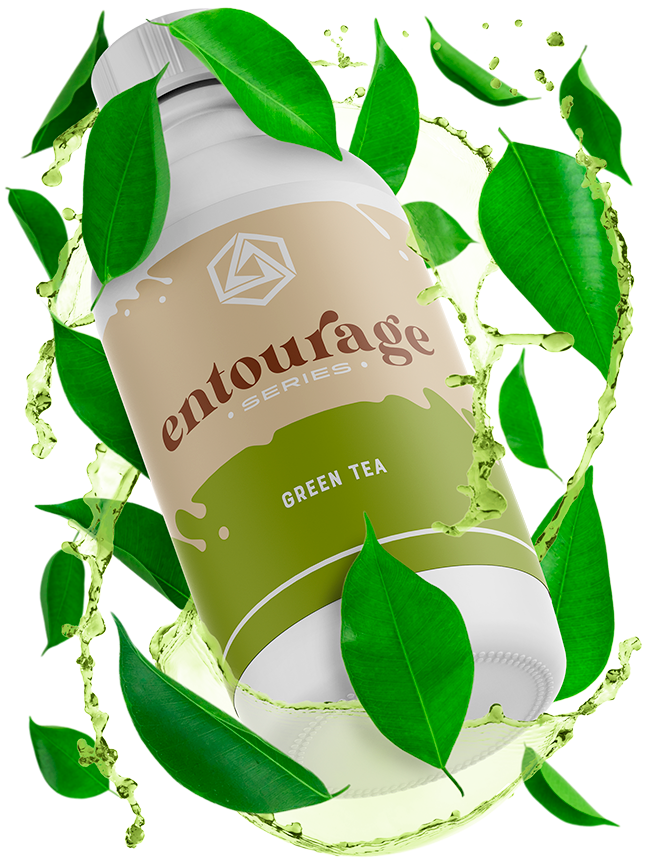
Can a customer reach elevated levels of spiritual enlightenment after partaking of some Abstrax Green Tea? Grasshopper, all things are possible. A clean, simple ride along a cleansing herbal flow with a hint of natural sweetness on the back end.
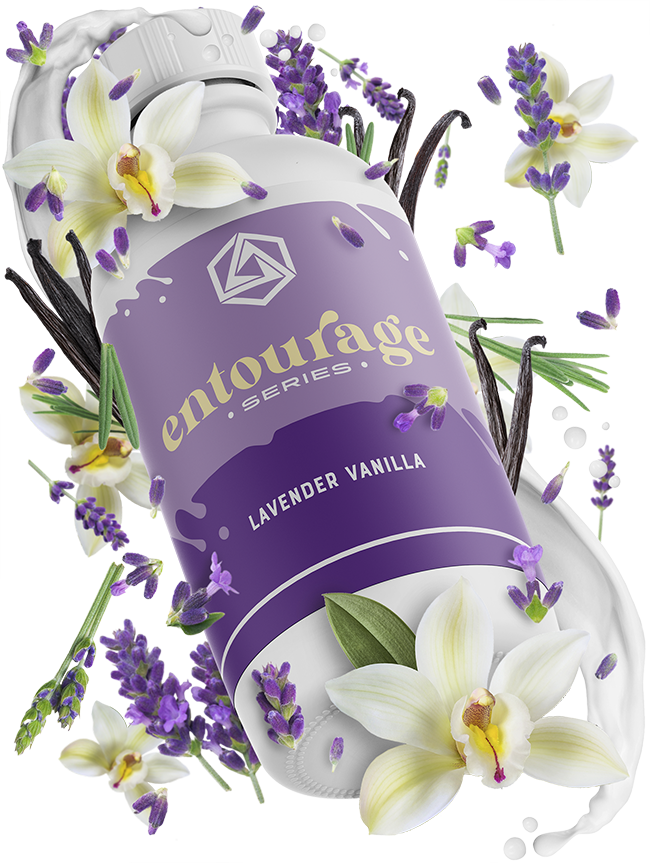
Go ahead and slip into your favorite sweats and turn the lights down low - Lavender Vanilla is all about relaxation. Creamy vanilla satisfies sweet cravings while soothing lavender brings the chill with delicate floral notes.
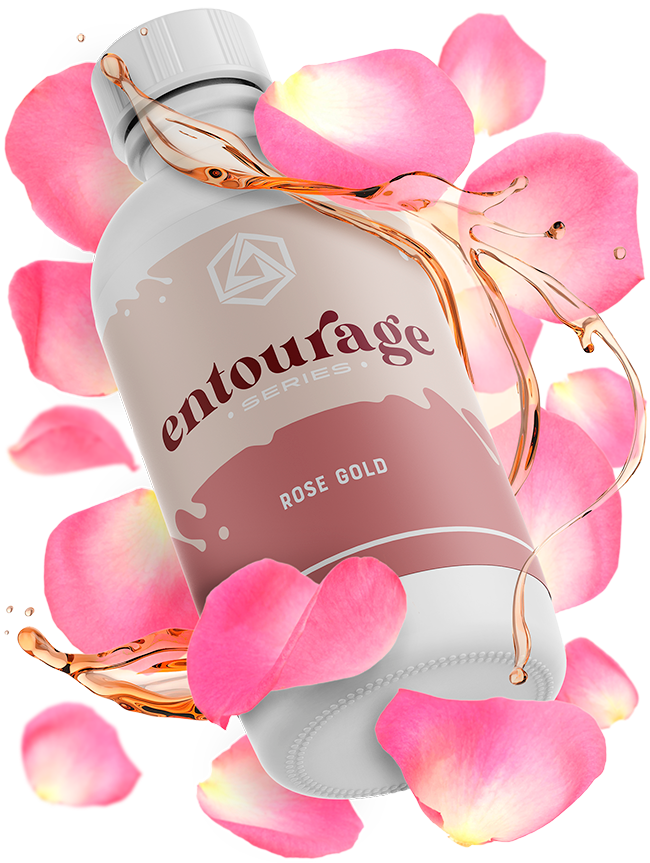
One of our most feminine flavors, Rose Gold is floral without being perfume-y. Notable for having a pleasant and aromatic sweetness, this blend is renown for a palpable floral bouquet that is sure to win hearts and minds.
That first blush of spring may bring to mind delicate cherry blossoms, but there’s nothing subtle about Sakura Blossom. Rosy florals dripping with sweet lychee and red cherries will have you begging for another succulent taste.
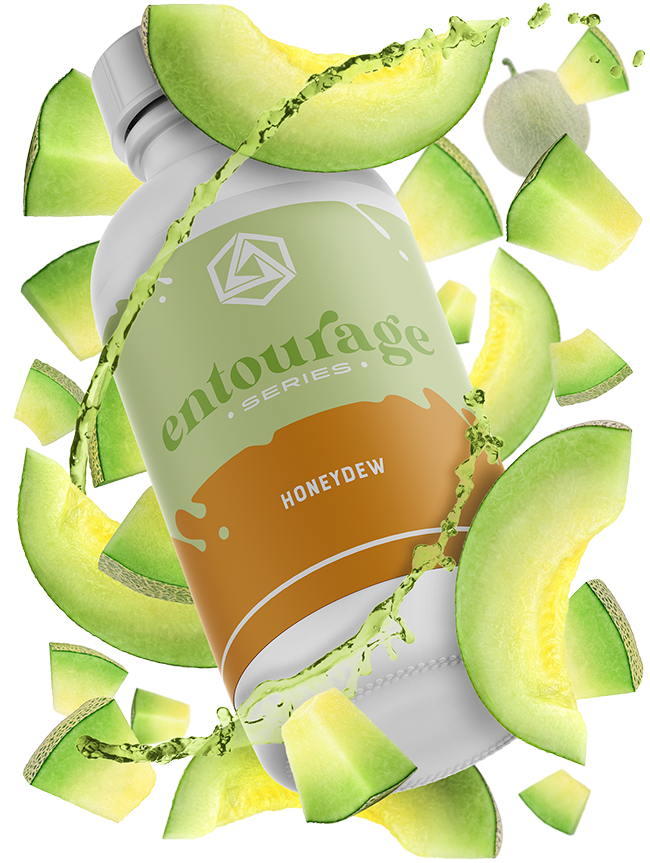
Considered by some to be the least of the melons, honeydews are traditionally an unwanted but necessary inclusion in fruit salad and virtually nothing else. This honeydew is different with a floral, velvety melon base. Join team Honeydew.
A stone fruit that makes any occasion seem more exotic, mangos are vibrant in both color and taste. This particular Mango veers deep into sweet, juicy, candy territory. Massively flavorful, erupting into a wealth of watery sweetness between the teeth.
Caramel Apple is the perfect way to welcome the autumn season. The crispness of tart juicy apples combines with milky ribbons of warm buttery caramel for a sticky sweet treat best enjoyed while the leaves change colors.
Savor every last drop of candied orange and sweet cream in this time-tested classic. Orange Cream Soda expertly blends smooth vanilla with zesty citrus for a silky texture that’s indulgent, refreshing, and delightfully bubbly.
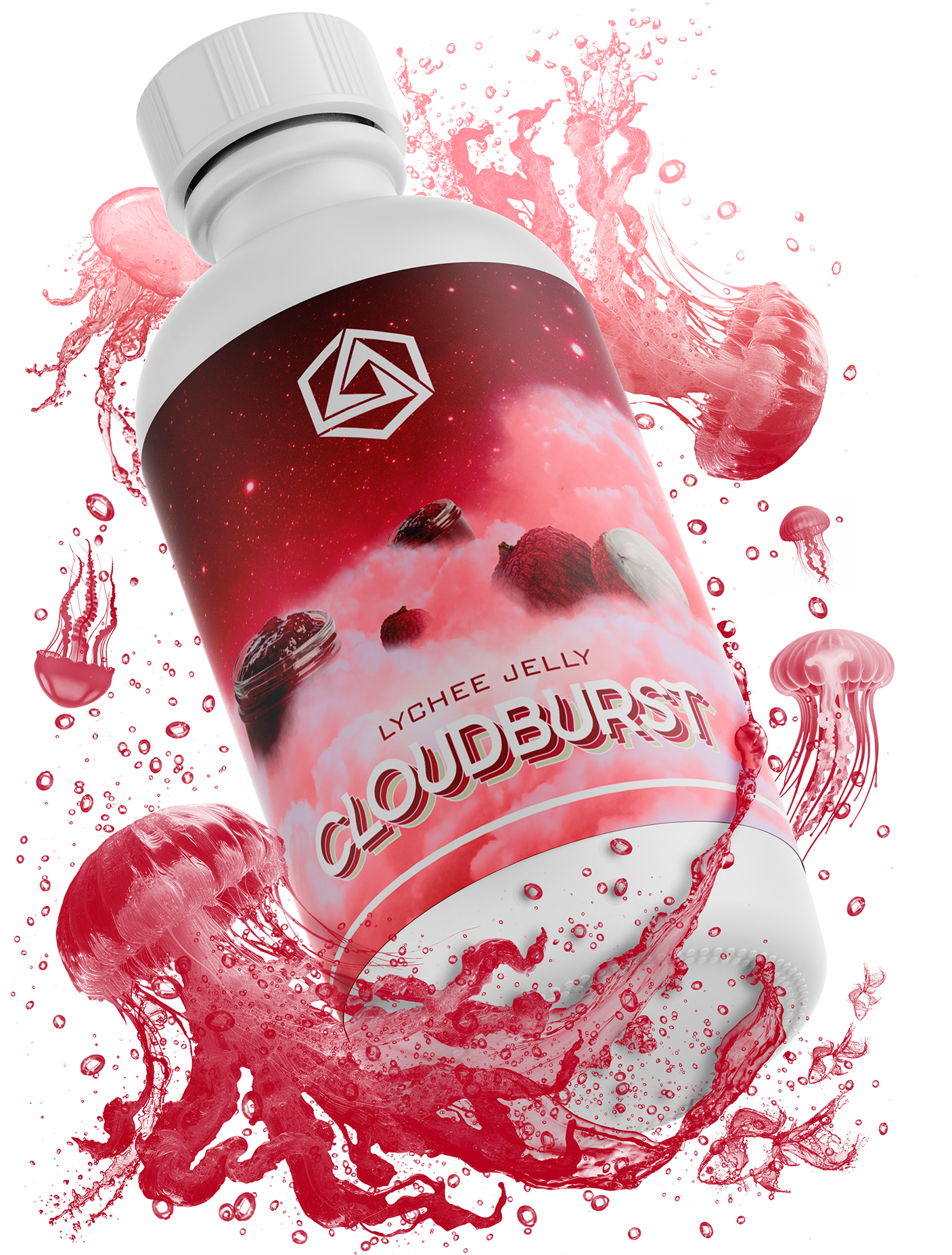
Nostalgic to some and wildly exotic to others, Lychee Jelly captures the startlingly tart and sweet notes of this musky tropical fruit. One taste of its luscious florals and you’ll be chasing that candy-like jelly flavor in every sandwich.
A child of Tangie and Kosher Kush, 24K Gold introduced the world to "Tangie Gas". Bred by DNA Genetics, one of the most awarded and influential names in cannabis history, this profile honors the legacy of California flavor that changed cannabis forever.


The Kush Cake Strain’s Cookies Lineage and Dessert-Forward Gas Profile Make it a Formulator’s Secret Weapon Last updated: September 19,...


How cannabis vape manufacturers can use “newstalgia” to stand out on crowded dispensary shelves. Nostalgia sells, and the brands paying...

Driven by Fuel-Forward Cannasulfurs and Sweet Esters, Candy Gas Cannabis Strains Produce Some of the Best-Selling Aroma Profiles in the...

What the Cannabis Industry Gets Wrong About Terpenes, and Why It Matters for Your Products Terpenes are one of the...

New peer-reviewed research from Abstrax confirms which specific compounds are behind the "fats and waxes" fraction in BHO and exactly...

What Strawnana’s 100% Exotic Factor and Cannabis Cup Record Mean for your Dessert Weed Lineup Strawnana, also known as Strawberry...

A guide to filling equipment, vape formulation compatibility, and production consistency at scale. Author: The VapeJet Editorial Team Reviewed by:...

Discover 10 Candy Gas Strains Analyzed by Abstrax, from Bacio Gelato and Runtz OG to Unicorn Poop and Beyond Candy...

New Research on Linalool, b-Myrcene, and CBD Reveals Sex-Specific Responses in an Inhalation Study Anxiety is one of the most...

How cannabis brands can use niche holidays to build deeper consumer relationships and drive year-round loyalty. Cannabis consumers are more...