Cart is empty
0 Products
FREE DOMESTIC SHIPPING OVER $100. MADE BY NATURE. PERFECTED BY SCIENCE.
FREE DOMESTIC
SHIPPING OVER $100.


Cart
0 Product

Cart is empty
0 Products

Candy Gas strains like Bacio Gelato, Runtz, and Cherry Zlushie have become some of the most consistent performers in premium cannabis retail, and their unique aromatic profile is driving that success.
These cultivars deliver an intense, fuel-forward pungency alongside a fruity, candy-sweetness. That combination crosses consumer segments in a way few other profiles do. It attracts Gelato loyalists, Runtz fans, and dessert-strain shoppers simultaneously. It also reflects a broader shift in what premium cannabis consumers expect.
Cannabis consumers want indulgence and intensity at the same time, which explains why sweet profiles without gas complexity sometimes lose ground to cultivars that can balance both. Candy Gas strains exist at that exact aromatic intersection, and the genetics fueling those aromas have created some of the most sought-after strains.
For cannabis product formulators, that sustained consumer demand creates a clear opportunity. If you’re looking to add Candy Gas to your menu, then consider using any of the following 10 profiles in your next vape, infused pre-roll, gummy, and more.
Table of Contents
Candy Gas strains generally sit at the sweet end of the Exotic Cannabis Aroma Spectrum, where fruity, berry-forward aromatics sit over a fuel-forward gas foundation.
The compounds most responsible for that character are a variety of cannabis flavorants. On the gas side, prenylated cannasulfur compounds (PCSCs) drive the fuel-forward intensity. On the sweet side, rare esters like senecioates and tiglates create berry and candy aromas that elevate heavy dankness into the territory of confection.
Candy Gas profiles sit apart from OG Gas, Chem Gas, and Tangie Gas because their PCSCs are accompanied by sweet, fruit-forward esters and they typically don’t contain savory heterocycles. That’s why Candy Gas strains read as confection rather than fuel, garlic, or tropical citrus.
What’s really interesting is that not every Candy Gas cultivar shares the same foundational genetics or the same ester profile. FPOG and Candyland, two of the most recognized Candy Gas strains on the market, trace their lineage to Granddaddy Purple rather than Gelato or Runtz. Their sweet character may be driven in part by different ester classes, including compounds in the anthranilate family associated with grape and berry-sweet aromatics, rather than the senecioates prominent in Gelato-lineage cultivars.
This is an area of active research, and the distinction is worth noting for formulators building profiles across the full range of Candy Gas aromas.
If you’re anxious to get started, consider building your products around any of the following Candy Gas profiles, starting with the cultivar that established the chemical benchmark for the entire category.

Sherbinskis Bacio Gelato is the chemical archetype of the Candy Gas category. We’ve measured several thousand varieties, and none have produced a higher Gas Factor score, and the gap between Bacio and the next closest cultivar is significant. Its PCSC concentration was so extreme that it required a full recalibration of our instrumentation, yielding a final Gas Factor of 103.
However, it’s the aromatic system built around that gas that makes Bacio Gelato the defining Candy Gas cultivar.
Two esters, ethyl senecioate and isopropyl senecioate, contribute berry-forward sweetness beneath the fuel notes, while low concentrations of indole add a subtle floral roundness that keeps the profile from tipping toward the savory end of the spectrum. The combination of high-PCSC gas, brightness from d-Limonene, and senecioate berry sweetness is the blueprint that subsequent generations of Candy Gas breeding have worked from.

Loud Factor: 100%
Gas Factor: 103%
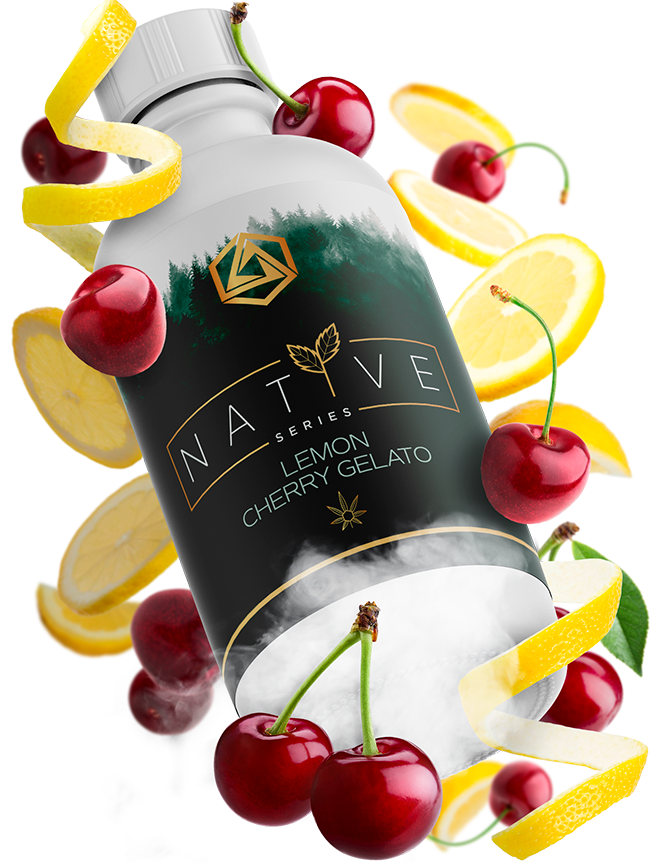
Lemon Cherry Gelato, a cross of Sunset Sherbert and Girl Scout Cookies, represents one of the most commercially successful shifts away from Bacio's gas-dominant archetype toward a brighter, more citrus-forward expression of the Gelato lineage. Its profile leads with cherry candy and citrus top notes over a sweet, creamy base, and a Gas Factor of 91% confirms a meaningful PCSC presence alongside that fruit.
Where Bacio’s gas intensity is impossible to ignore, Lemon Cherry Gelato presents an exquisite aromatic balance. The Sunset Sherbert parentage carries the creamy sweet foundation, while GSC introduces a slightly earthy, herbal complexity that keeps the profile from reading as purely confection-forward. It's a cultivar that performs particularly well in vapes and infused pre-rolls where its sweet citrus notes have noticeable sensory impact on the first inhale.
Lemon Cherry Gelato is also the genetic source of Blue Nerds, a descendant that amplifies the berry and candy notes further while retaining the gassy backbone inherited from the Gelato side of the lineage.

Loud Factor: 77%
Gas Factor: 91%
Gelatti pulls the Gelato lineage toward earthier, cookie-dough territory without abandoning its sweet-gas core. The Biscotti parentage introduces a nutty, baked quality that adds aromatic complexity beyond the standard Gelato fruit-and-fuel framework, giving Gelatti a textural element that’s rarely present in the rest of its genetic family.
Its Gas Factor of 78% makes it less gassy than other Gelato-lineage cultivars, but its Loud Factor of 86% reflects a profile with strong overall aromatic presence. The gas here reads as a supporting element rather than the headline, which makes Gelatti a useful reference point for formulators targeting consumers at the intersection of Candy Gas and dessert-forward cannabis.
The Biscotti influence also positions Gelatti as a natural bridge to the dessert cannabis category, where its baked, nutty sweetness resonates alongside its gassy backbone.

Loud Factor: 86%
Gas Factor: 78%
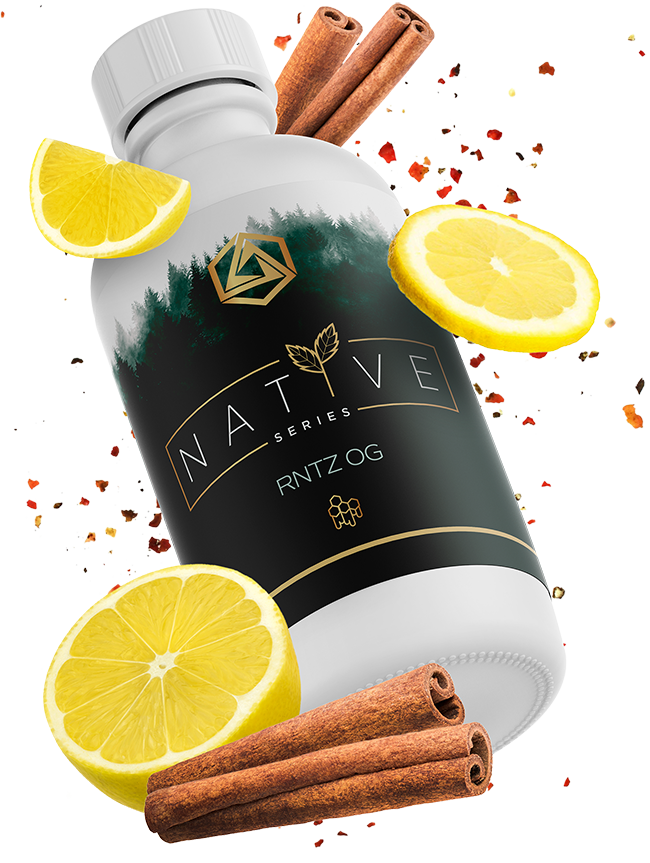
Runtz OG debuted at the Emerald Cup, won Leafly's Strain of the Year in 2020, and became one of the first cannabis cultivars to generate mainstream brand recognition at scale. That’s thanks, in part, to pushing Gelato’s sweet-over-gas ratio further than any prior cross had achieved.
By pairing Bacio Gelato's PCSC density with Zkittlez's intense fruit, Runtz OG showed that candy can successfully take the lead while gas plays a supporting role. The senecioate and d-Limonene framework inherited from Gelato likely drives the sweet-gas character, with Zkittlez contributing additional fruit-ester complexity that accounts for the distinctly candy-forward top notes.
Berry Runtz and White Runtz are two phenotypic expressions of the Runtz family worth exploring alongside the OG. Berry Runtz carries the highest Loud Factor in the Runtz family at 96% despite its lower Gas Factor of 88%, suggesting its aromatic intensity is driven primarily by berry and blueberry-forward esters rather than PCSCs. White Runtz is the creamiest expression of the family, with citrus, cream, and earth notes alongside a softer gas presence.

Gas Factor: 95%
Loud Factor: 92%
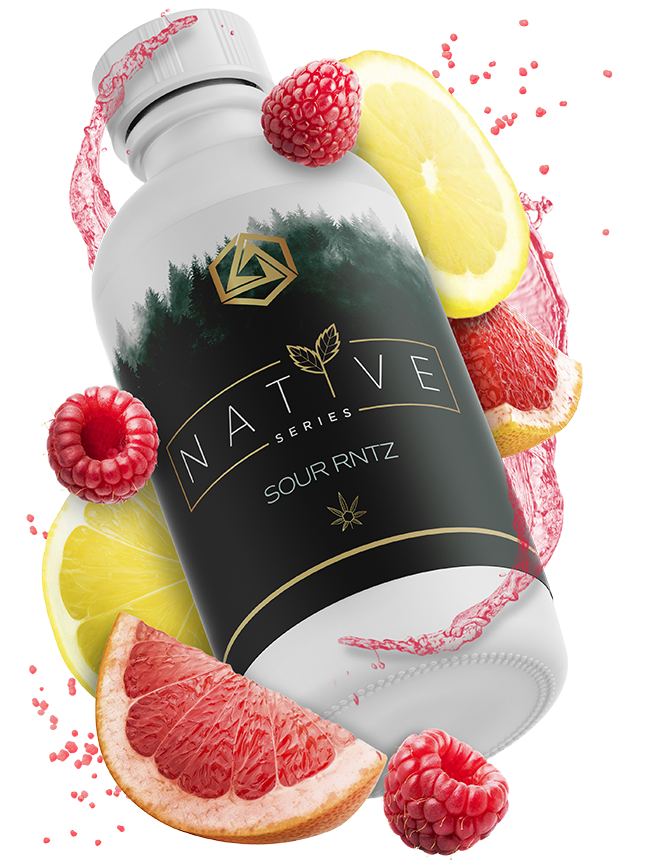
Arguably, Sour Runtz is the most aromatically aggressive member of the Runtz family covered here, and that’s because of its Sour Diesel genetics. Where most Runtz phenotypes modulate the family's candy character through different expressions of sweetness, Sour Diesel introduces a sharp, fuel-driven tartness that sits right next to the candy foundation instead of softening it. It reads as sour candy rather than sweet candy, with a more prominent gas character than any of its siblings.
It’s also louder and it sits closer to OG Gas territory than the other Runtz phenotypes. While it still retains its Candy Gas identity with its noticeable Runtz aroma, this does put it slightly closer to the center of the Exotic Cannabis Aroma Spectrum.
For consumers and formulators targeting a tart, sour-candy profile with genuine gas intensity, Sour Runtz is one of the more commercially distinct options in the category.

Gas Factor: 93%
Loud Factor: 95%
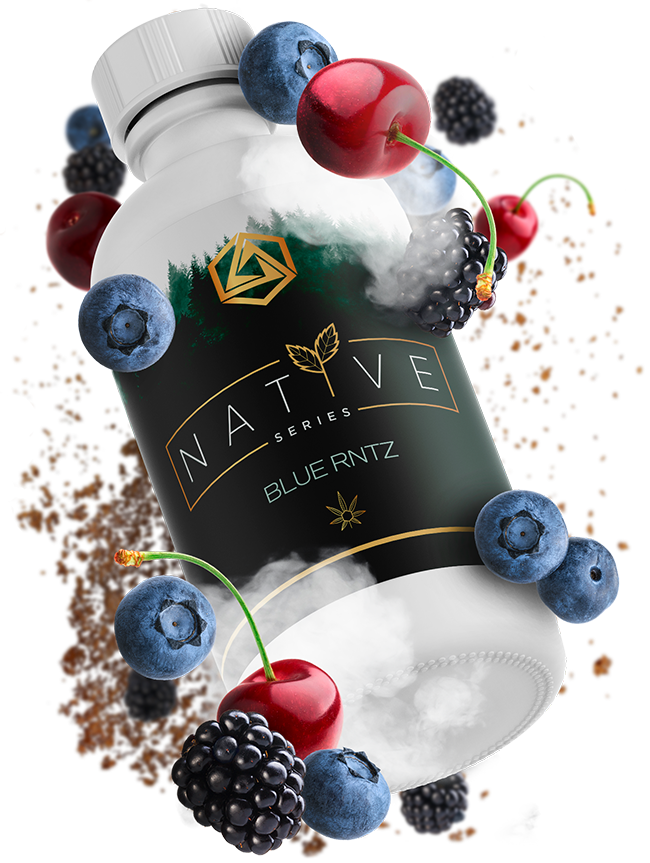
Blue Runtz is the mildest expression of the Runtz family here, with a Gas Factor of 82% and a Loud Factor of 88% placing it in a quieter corner of the Candy Gas party. The Blueberry parentage deepens the berry character significantly while softening the PCSC-driven gas intensity, producing a profile that prioritizes fruit-forward sweetness over fuel-forward pungency.
Instead of this landing as pale in comparison, it becomes approachable and fruit-forward in a way that broadens the Runtz consumer appeal beyond core Candy Gas enthusiasts. Consumers who find the full gas intensity of Runtz OG or Sour Runtz to be overly aggressive can still enjoy the ester-driven sweetness the family is known for through Blue Runtz.
Blue Runtz is also one of the clearest illustrations on this list of how sweet flavorants can drive aromatic appeal in a Candy Gas cultivar even when gas intensity is moderate rather than extreme. While it’s appealing in just about any format, gummies are a particularly good fit for this profile because of their natural fruit-flavored base formulations.

Gas Factor: 82%
Loud Factor: 88%
FPOG sits at the boundary between Candy Gas and dessert cannabis. An Exotic Factor of 98% makes it one of the most sweet-exotic profiles in our entire dataset, while its Loud Factor of 73% suggests an aromatic impact driven more by flavorant complexity rather than pure gas intensity. It’s intensely fruity, cereal-sweet, and still complex enough to satisfy those who want more than a purely sweet profile. FPOG also has two important features we can’t ignore.
First, is the presence and abundance of cis-beta-Ocimene. This terpene is associated with sweet, floral, and slightly herbaceous aromatic notes, but it’s rarely dominant. Its presence as a lead terpene rather than a minor contributor could indicate that FPOG's aromatic identity is structurally different compared to other Candy Gas cultivars.
Second, FPOG's lineage raises interesting questions about the ester classes driving Candy Gas sweetness. While senecioates and tiglates are the primary sweet flavorants in Gelato-lineage cultivars, Granddaddy Purple (GDP) descendants like FPOG may express different ester compounds, potentially including anthranilates that are associated with grape and berry-sweet aromatics. However, this remains an area of active research, so we’ll get back to you on that.

Loud Factor: 73%
Exotic Factor: 98%
A Gas Factor of 78% and a Loud Factor of 89% make Cherry Pie the most aromatically intense GDP descendant on this list, with an aroma that reads as tart cherry and sweet berry over a gassy, slightly earthy base.
Similar to FPOG, a unique terpene profile contributes to Cherry Pie’s chemical distinctiveness. Linalool, a sweet and floral terpene far more commonly found as a minor aromatic contributor in cannabis, appears as a dominant terpene in Cherry Pie. At higher concentration and in the presence of other compounds, Linalool creates a rounded, candy-adjacent sweetness that contextualizes the gas notes in a way that's functionally similar to how senecioates operate in Bacio Gelato.
Its Durban Poison parent gives Cherry Pie a bright, slightly spicy character that prevents it from being purely dessert-forward. Altogether, these unique influences allow Cherry Pie to maintain the sweet-gas tension that defines the Candy Gas category.

Loud Factor: 89%
Gas Factor: 78%
Candyland has the most surprising Terplytics profile on this list. A Loud Factor of just 66% makes it the quietest cultivar here by a significant margin, yet its Exotic Factor of 93% places it among the more intensely sweet-exotic profiles. That combination suggests a profile where sweet flavorant compounds are concentrated and distinctive without the volume that typically signals a high-impact cannabis profile.
Its dominant terpene, Cadinene, is another outlier. This sesquiterpene is typically found in trace amounts and is associated with woody, spicy, and subtly sweet aromatic notes. Cadinene's dominance here is genuinely unique and sets it apart from every other cultivar we’ve mentioned. It also raises interesting questions about the aromatic pathways through which its candy aroma emerges.
Like FPOG and Cherry Pie, Candyland's GDP lineage suggests that compounds in the anthranilate ester class may contribute sweet aromatic character alongside or instead of the senecioates prominent in Gelato-family cultivars.
For product developers, Candyland demonstrates that high exotic character and candy-forward aromas are achievable at low gas intensity. This creates formulation options for those who want that sweet-exotic experience without the intense fuel of heavy hitters like Bacio Gelato.

Loud Factor: 66%
Exotic Factor: 93%
Unicorn Poop is the most genetically unique cultivar on this list. One parent, GMO Cookies, sits at the opposite end of the Exotic Cannabis Aroma Spectrum from the Candy Gas category. The fact that Unicorn Poop reads as a Candy Gas cultivar is a direct function of what its other parent, Sophisticated Lady, likely contributes to the balance.
Sophisticated Lady is widely associated with sweet, berry-forward, and fruit-candy aromatics. Its contribution to Unicorn Poop likely introduces the ester sweetness that helps to contextualize the gas foundation from GMO. Without it, the savory heterocycles from GMO Cookies that pull profiles into Chem Gas territory would be much more prominent.
However, the gas intensity inherited from GMO is still meaningful, and the Loud Factor of 90% reflects strong overall aromatic presence. The savory compounds haven't disappeared, they've been given a different aromatic backdrop that shifts the overall interpretation from chemical and gassy to candy and gassy.

Loud Factor: 90%
Gas Factor: 89%
We analyzed every cultivar on this list using advanced two-dimensional gas chromatography instrumentation. That’s the same analytical platform behind our Science of Exotic research and the Terplytics data powering our Native Series and Signature Series terpene profiles.
Standard terpene testing won't reveal PCSCs, quantify indole or skatole, or identify the esters that give Candy Gas cultivars their distinctive sweet gassy character. Getting the chemistry right requires going deeper than traditional terpene panels.
Whether you're building Candy Gas profiles into your product line, looking for true-to-type cultivar accuracy, or developing something entirely new in the sweet-exotic space, our formulation team has the data and the tools to help.
Ready to build something that sells as good as it smells? Schedule a free consultation with our formulation experts.
Out of the tens of thousands of cultivars we’ve analyzed, Bacio Gelato reigns supreme as the gassiest strain ever measured. Created in partnership with Mario Guzman of Sherbinskis, this is the world’s only authentic and official Gelato terpene profile.
As the drool-worthy descendant of beloved cultivars Sunset Sherbet and Girl Scout Cookies, Lemon Cherry Gelato is deliciously decadent. Citrus and sweet berries swirl together for an aroma that’s fruity, dank, and indulgent.
Gelatti is a terpy cross of two California favorites: Gelato and Biscotti. The profile leans into its heritage and serves up rich camphorous, earthy notes with a heavy helping of dank, floral berries. It's unique, to say the least.
If you're a fan of Pixy Stix, you'll appreciate the sweet and sour candy notes of this blend. It'll hit you with shockingly bright citrus before it slams into a spicy finishing move. It's fresh, mouthwatering, and always leaves you wanting more.
Say hello to the overachiever of the RNTZ family. Sour RNTZ masterfully blends diesel-forward gas and bright citrus for a dank, delicately tropical aroma that’s friendly and fruity yet potent and powerful.
Meet the slickest member of the dank RNTZ family. It takes the deep earthy musk and bright fruit of its lineage and adds tantalizing notes of dark blueberries and tart blackberries. Blue RNTZ is one smooth operator.
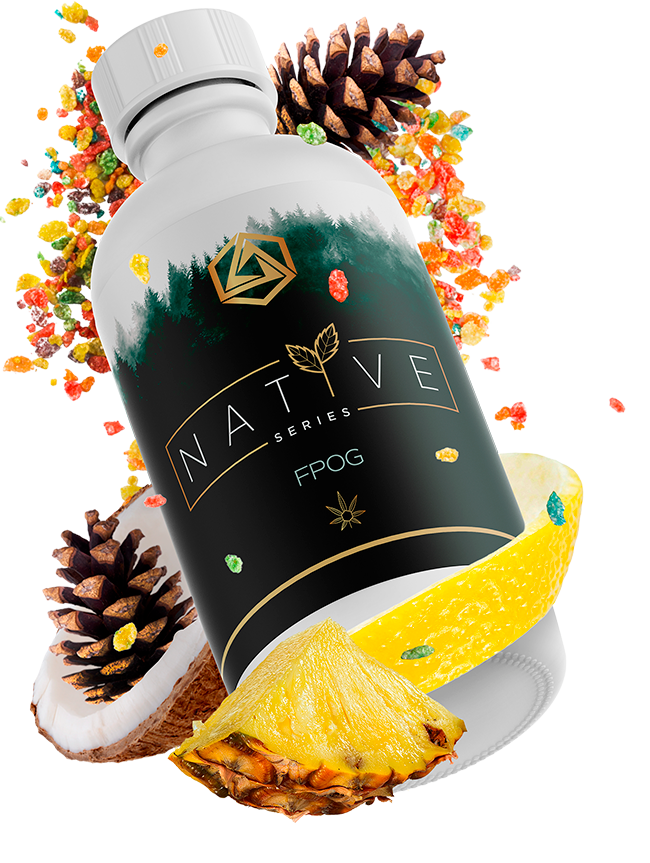
A descendant of Tahoe Alien, Green Ribbon, and Granddaddy Purple, FPOG has all the chill vibes associated with eating a bowl of Fruity Pebbles on a Sunday morning. Enjoy euphoric waves of tropical fruit, citrus, and the perfect hint of pine.
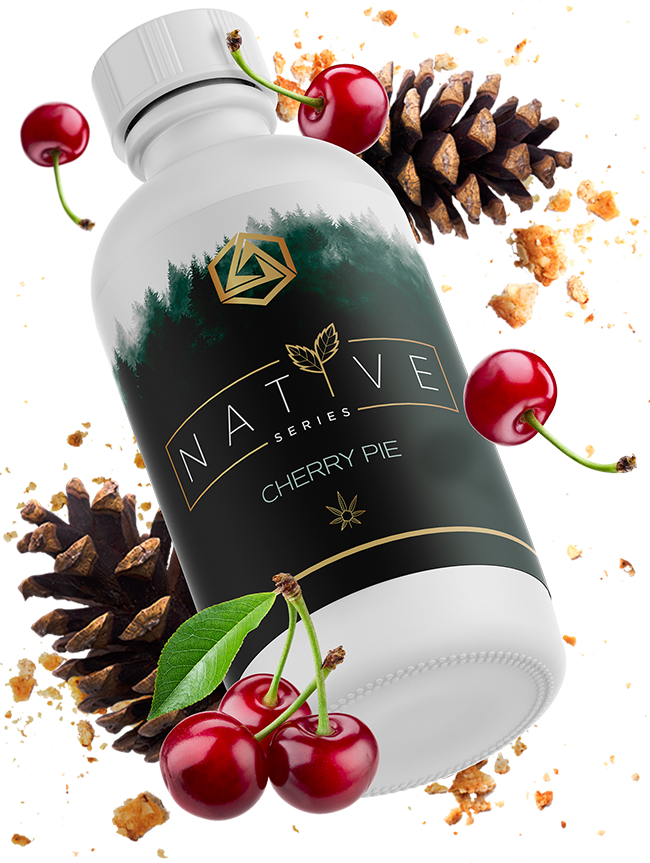
Cherry Pie is cherry tart, sweet, and exquisitely dank. However, that shouldn’t come as a surprise with a lineage like Granddaddy Purple and F1 Durban Poison. Prepare for a goofy smile that’ll stick with you all day long.
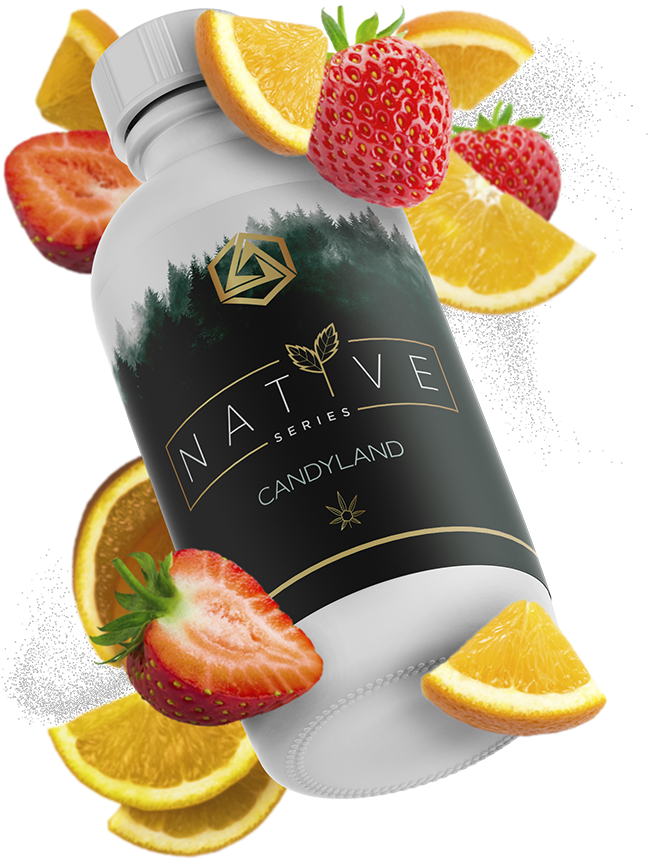
The name sounds cute, but heavy-hitting genetics make Candyland a potent daytime treat. A sweet mixture of citrus and berries provides a delightful mental lift, while light earthy notes instill peace and relaxation.
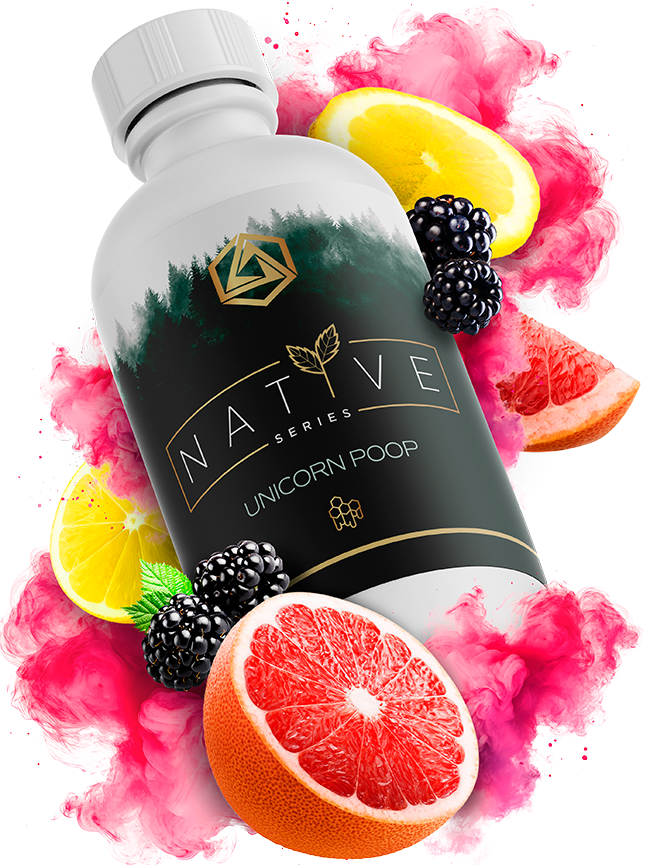
Unicorn Poop is the fantastical fusion of kaleidoscopic fruit and sweet gasoline that usually only exists in your imagination. Suspend your disbelief and enjoy the dank parade of tropical citrus, juicy berries, and glittering pink candy.


The Kush Cake Strain’s Cookies Lineage and Dessert-Forward Gas Profile Make it a Formulator’s Secret Weapon Last updated: September 19,...


How cannabis vape manufacturers can use “newstalgia” to stand out on crowded dispensary shelves. Nostalgia sells, and the brands paying...

Driven by Fuel-Forward Cannasulfurs and Sweet Esters, Candy Gas Cannabis Strains Produce Some of the Best-Selling Aroma Profiles in the...

What the Cannabis Industry Gets Wrong About Terpenes, and Why It Matters for Your Products Terpenes are one of the...

New peer-reviewed research from Abstrax confirms which specific compounds are behind the "fats and waxes" fraction in BHO and exactly...

What Strawnana’s 100% Exotic Factor and Cannabis Cup Record Mean for your Dessert Weed Lineup Strawnana, also known as Strawberry...

A guide to filling equipment, vape formulation compatibility, and production consistency at scale. Author: The VapeJet Editorial Team Reviewed by:...

New Research on Linalool, b-Myrcene, and CBD Reveals Sex-Specific Responses in an Inhalation Study Anxiety is one of the most...

How cannabis brands can use niche holidays to build deeper consumer relationships and drive year-round loyalty. Cannabis consumers are more...