
Cart is empty
0 Products
FREE DOMESTIC SHIPPING OVER $100. MADE BY NATURE. PERFECTED BY SCIENCE.
FREE DOMESTIC SHIPPING OVER $100.


Cart
0 Product

Cart is empty
0 Products
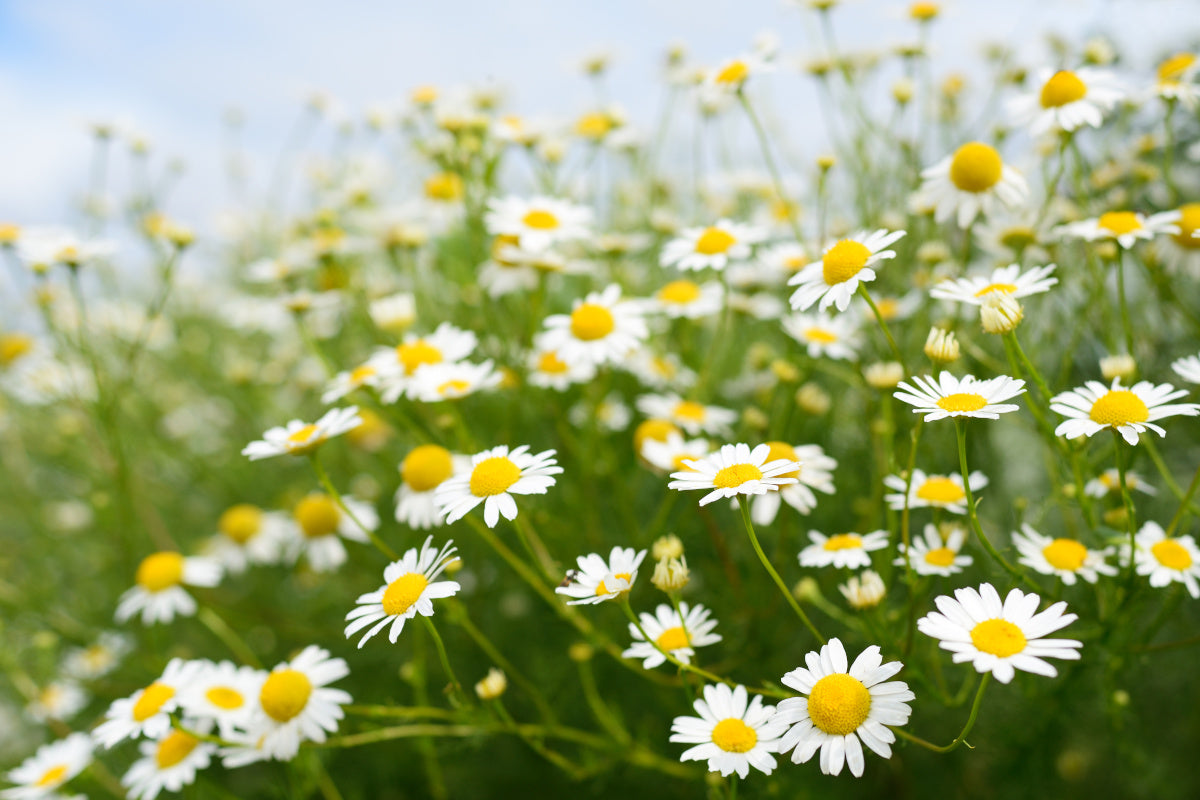
Sesquiterpenes are a class of terpenes made up of three isoprene units. They also have some VERY cool effects that can benefit YOUR products!
While your average consumer might not be all that concerned with different types of terpenes, they can make a BIG difference when it comes to your products. That’s why it’s important to understand different types of terpenes and what they’re used for!
If you’re here then you probably already know that terpenes are the organic hydrocarbons present in most plants. On top of their evolutionary functions (defense, reproduction, etc.) they’re also what dictate the unique aroma, flavor, and effects of different plants. There are several different types of terpenes, but today we’re diving into the world of sesquiterpenes.
So, what do sesquiterpenes have to do with your products? Are you in the skincare, personal care, or wellness industry? Then keep reading!
Reading Time - 4 min
Sesquiterpenes have three isoprene units. Each isoprene unit has five carbon atoms with hydrogens attached. Below is the chemical formula for sesquiterpenes.
(C15H24)
From there, sesquiterpenes are further divided into linear, cyclic, bicyclic, and tricyclic categories depending on their structures. Acyclic terpenes, for example, are linear. Cyclic terpenes, however, form rings. So, monocyclic terpenes have one ring, bicyclic terpenes have two rings, etc.
While there aren’t as many sesquiterpenes as monoterpenes, sesquiterpenes are less volatile. Basically, while they still oxidize over time like monoterpenes, their aromas tend to stick around longer. Those aromas also tend to be quite strong. If you think about plants with heavy amounts of sesquiterpenes (black pepper, hops, etc.), this actually makes a lot of sense.
Like monoterpenes, sesquiterpenes have a surprisingly long list of properties that are being investigated as we speak.
According to a review by the International Journal of Molecular Sciences, “Sesquiterpenoids, and specifically sesquiterpene lactones from Asteraceae, may play a highly significant role in human health, both as part of a balanced diet and as pharmaceutical agents, due to their potential for the treatment of cardiovascular disease and cancer.” Various sesquiterpenes have been linked to properties like reduced inflammation, reduced tumorigenesis, antimicrobial properties, and more (1).
The Asteraceae family of plants, which has over 30,000 species of flowering plants, includes chicory, wormwood, chamomile, dandelion, and more. It should come as no surprise then that many of these plants have been used in folk medicine for thousands of years. “Traditional medicinal plants can also be a significant source for some populations, as sesquiterpenoids often represent the active ingredient. These medicinal plants are often from the Asteraceae, of which “feverfew” Yarrow, and quinghaosu in the treatment of malarial type ailments, are among the most commonly used both in historically and in current alternative treatments.”
Additionally, research has shown that sesquiterpenes have potential when it comes to treating cardiovascular disease (2), preventing neurodegeneration (3), improving migraines, analgesia, sedation(4), and more. Additionally, “some sesquiterpene lactones protect the gastric lining from ulcer development” (5).
This is just the tip of the iceberg when it comes to all the amazing things sesquiterpenes can be used for. Bottom line? Sesquiterpenes have amazing potential when it comes to increasing the effectiveness of certain products.
If you’re interested in utilizing sesquiterpenes in your products, you should probably know about several specific isolates that fall into this category.
Beta-Caryophyllene, for example, is a bicyclic sesquiterpene present in plants like black pepper, rosemary, cloves, hops, basil, oregano, and more. Its presence in many edible plants PLUS the way it interacts with the endocannabinoid system also categorize it as a dietary cannabinoid (6). While it’s not psychoactive, this feature means it has several properties that make it particularly useful.

In one study, beta-caryophyllene “strongly reduces the carrageenan-induced inflammatory response in wild-type mice but not in mice lacking CB(2) receptors, providing evidence that this natural product exerts cannabimimetic effects in vivo. These results identify (E)-BCP as a functional nonpsychoactive CB(2) receptor ligand in foodstuff and as a macrocyclic antiinflammatory cannabinoid in Cannabis.”

Farnesol is an acyclic sesquiterpene “present in many essential oils, such as citronella, lemongrass and rose, and known to work as a chemopreventative, anti-tumor, and anti-inflammatory agent.” Another sesquiterpene, Bisabolol, “has been shown to exhibit anti-irritant, anti-inflammatory and anti-microbial activities, and is used in various fragrances and in cosmetics because of its skin healing properties (7). If you think you’re unfamiliar with bisabolol, then think again! It’s found in common plants like chamomile.

Alpha-Humulene, also known as alpha-caryophyllene, is a monocyclic sesquiterpene with powerful anti-inflammatory potential. “The anti-inflammatory activity of α-humulene and caryophyllene was further evaluated in an experimental model of airways allergic inflammation. In particular, the oral or aerosol use of α-humulene showed significant anti-inflammatory action in mice, involving the reduction of inflammatory mediators, adhesion molecules expression and transcription factors activation” (8).
Sesquiterpenes have beneficial properties that could be invaluable for the effectiveness of your products! Bisabolol, for example, is a phenomenal addition to skincare products because of its anti-bacterial and skin healing properties. Beta-Caryophyllene has the potential to increase analgesic properties for products designed to relieve mild pain. And that’s just the beginning!
Curious about adding any of these terpenes to your products? Contact us and let’s talk about terpene solutions for your products today.


What Strawnana’s 100% Exotic Factor and Cannabis Cup Record Mean for your Dessert Weed Lineup Strawnana, also known as Strawberry...


A guide to filling equipment, vape formulation compatibility, and production consistency at scale. Author: The VapeJet Editorial Team Reviewed by:...

Discover 10 Candy Gas Strains Analyzed by Abstrax, from Bacio Gelato and Runtz OG to Unicorn Poop and Beyond Candy...

New Research on Linalool, b-Myrcene, and CBD Reveals Sex-Specific Responses in an Inhalation Study Anxiety is one of the most...

How cannabis brands can use niche holidays to build deeper consumer relationships and drive year-round loyalty. Cannabis consumers are more...

Explore ten tropical cannabis strains and the fruit-forward aroma profiles inspiring today’s vapes, gummies, and other summer-ready products. From pineapple-forward...

Trending Fruit, Candy, and Tropical Flavor Profiles Cannabis Brands Are Using in Premium THC Gummies. In 2026, cannabis edibles are...

To successfully formulate candles with terpenes, you need to understand wax chemistry, volatility, and fragrance safety. Successfully making candles with...

Top 10 Terpenes for Summer 2026: Flavor Categories & Gas Segments Driving Cannabis Sales Summer 2026 is shaping up to...

Cannabis Flavor Trends, Product Innovation, and Sales Strategies for 420 and Beyond Preparing for everything 420 requires more than promotions,...


