Cart is empty
0 Products
FREE DOMESTIC SHIPPING OVER $100. MADE BY NATURE. PERFECTED BY SCIENCE.
FREE DOMESTIC
SHIPPING OVER $100.


Cart
0 Product

Cart is empty
0 Products

Candy Gas is one of four major cannabis gas categories, defined by a combination of cannasulfurs and sweet esters that create an aroma of berries, candy, and fruit over a foundation of dense diesel fuel. It sits near the sweeter end of the Exotic Cannabis Aroma Spectrum, and by most commercial measures, it's one of the most broadly appealing profiles in the regulated market.

Gelato won Leafly's inaugural Strain of the Year award in 2018, Runtz took the same honor in 2020, and Gelato-lineage cultivars have taken the award four times in six years, with Jealousy in 2022 (a Sherbert x Gelato cross) and Permanent Marker in 2023 (descended from Jealousy).¹
Sales data reflects that popularity, with Gelato holding third place in California’s best-selling flower rankings in both 2024 and 2025, generating $16 million in sales across the first eleven months of each year. ²,³ It was also one of only two cultivars to appear in the top ten simultaneously across flower, pre-roll, and vape categories in 2024.²
For consumers, Candy Gas represents the intersection of gassy intensity and sweet approachability. The gas is real and present, but the candy layer above it makes the profile accessible to a wider audience than straight fuel-forward or savory gas categories can reach. For formulators, that breadth translates directly into product opportunity across formats.
Learn what actually drives the aroma profile, what standard testing misses, and what it takes to build Candy Gas cannabis products consumers recognize and come back for again and again.


A cannabis strain is considered Candy Gas through its flavorant chemistry. Non-terpenoid flavorants drive the aromatic differences between exotic cannabis aromas,⁴ and the defining flavorants in Candy Gas profiles include high concentrations of prenylated cannasulfur compounds (PCSCs)⁵ alongside sweet, fruit-forward esters.
PCSCs generate the fuel-forward gas intensity that anchors the category, and esters (primarily senecioates, anthranilates, and tiglates) layer berry, grape, and candy character above that gas foundation. The result is a cannabis profile that’s perceived as both pungent and sweet rather than purely fuel-forward or purely dessert.
While terpenes don’t drive the most distinct aromas, they do contribute to the overall impression and provide the broad aromatic foundation both compound classes sit on. In Candy Gas strains, terpenes like β-Myrcene, β-Caryophyllene, and d-Limonene contribute earthy body, spicy base notes, and citrus brightness respectively.
These terpenes are common across many cannabis categories, which is why terpene data alone can’t identify a Candy Gas cultivar. Two strains can share nearly identical terpene COA results and smell completely different depending on flavorant profiles, and standard terpene testing cannot detect cannasulfurs or esters. Identifying a Candy Gas cultivar with confidence requires GCxGC-TOF-MS/FID/SCD analysis capable of detecting these compound classes at parts-per-billion concentrations.
Candy Gas sits at the sweet end of the Exotic Cannabis Aroma Spectrum. While it shares the cannasulfur engine of the three other major gas categories, its ester profile gives Candy Gas an aromatic range that the other three categories don't share.
OG Gas cultivars carry the same PCSC-driven fuel intensity without sweet ester contribution, producing a denser, more resinous profile.
Chem Gas pairs PCSCs with savory heterocyclic compounds including indole and skatole, pushing the profile toward sharp, chemical, and ammoniacal territory.
Tangie Gas is built around tropicannasulfur compounds (TCSCs), a related subclass of cannasulfurs, and produces bright citrus up front with sulfurous fuel depth.
It's worth noting that Candy Gas is also the name of a specific cultivar, so the category and the strain share a name. Whether a specific cultivar qualifies as Candy Gas comes down to what its unique flavorant analysis shows.
For the same reason, Candy Gas strains can technically be indica, sativa, or hybrid. Candy Gas is a chemotypal category defined by flavorant profile, not plant morphology or even lineage alone.

Explore the evolution of gas categories in 24K Gold: How DNA Genetics Struck Gold with Tangie Gas.⁶
Candy Gas strains smell like dense diesel fuel underneath layers of fruit, berry, and candy sweetness. The gas is immediate and high-impact, but the ester compounds above it give the overall impression of candy or confection. The specific “candy” character varies depending on which ester subclass anchors the sweet notes.
Some profiles lead with berry and fruity sweetness from esters like senecioates and tiglates, while others produce a deeper grape and berry-candy quality from esters like anthranilates. Others still lean toward ripe fruit with less of the candy-forward brightness. That variation is what makes Candy Gas a category rather than a single aroma, and it's why two Candy Gas products can smell meaningfully different while both are still unmistakably Candy Gas.
For example, Bacio Gelato sits at the gas-dominant end of the spectrum, and it holds the highest Gas Factor score Abstrax has recorded across thousands of cultivars.⁷ Its PCSC intensity is immediate and extreme, but its berry-forward sweetness places it firmly in the category.
Runtz OG inverts that ratio with candy and fruit notes leading and gas playing a more supporting role. Where Bacio hits with gas first, Runtz presents sweet candy up front with diesel underneath, making it approachable to consumers who find straight fuel-forward profiles too aggressive.
Granddaddy Purple arrives at Candy Gas through a different route entirely. Its sweet character is grape and berry-candy, producing a profile that reads as purple and confectionery rather than bright and fusel. The gas is milder than Bacio or Runtz, but present enough to qualify it as Candy Gas.


Explore more cultivars in Top 10 Candy Gas Cannabis Strains: Aroma, Genetics, and What Makes Them Unique.
Candy Gas genetics trace back to two foundational lineages: Gelato/Sherbet and Granddaddy Purple.
The Gelato family established the Candy Gas archetype. Mario Guzman of Sherbinskis crossed Sunset Sherbet with Thin Mint Cookies in 2014, producing four distinct phenotypes. Bacio Gelato emerged from that phenohunt as the chemical benchmark for the entire category.
Runtz extended the Gelato profile into mainstream commercial territory by crossing indoor-grown Zkittlez with Gelato. Its shift in the sweet-over-gas ratio made Runtz extremely popular and it became Leafly's Strain of the Year in 2020. The Runtz family has since expanded into dozens of descendants, each expressing the sweet-gas combination differently depending on their flavorant profile.
Granddaddy Purple and its descendants (including Candyland, Cherry Pie, and FPOG) represent a distinct expression of Candy Gas. Where the Gelato family produces bright, fruit-forward sweetness over dense gas, GDP-lineage cultivars tend to lean into grape, berry-candy, and purple-fruit character with more measured gas. The result is a softer expression of the category that sits closer to the dessert end of the spectrum without leaving Candy Gas territory.
It’s also important to note that while genetics raise or lower the probability of a cultivar developing a Candy Gas aroma profile, they don't guarantee it. Abstrax research has demonstrated that phenotypes from the same crossing can express meaningfully different aroma characteristics based on their flavorant composition.⁸
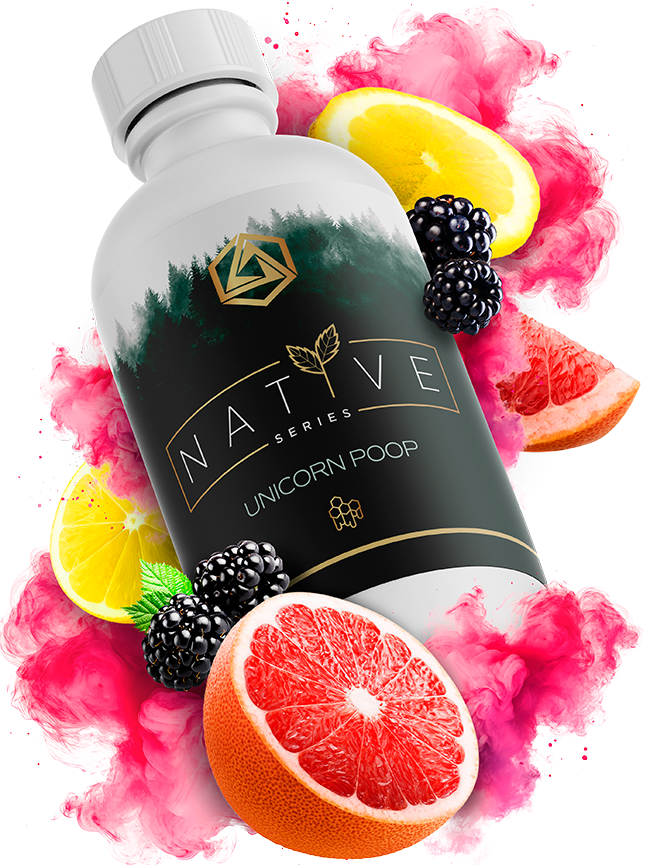
Candy Gas profiles can also emerge from genetic backgrounds where neither parent carried a conventional Candy Gas pedigree. Unicorn Poop, a cross of GMO Cookies and Sophisticated Lady, is the clearest example. GMO Cookies sits at the opposite end of the Exotic Cannabis Aroma Spectrum in Chem Gas territory, while Sophisticated Lady has a sweet, berry-forward aroma. That combination created the gassy, tropical citrus, and pink candy of Unicorn Poop.


Candy Gas is one of the most commercially proven aroma categories in cannabis, and one of the most difficult to replicate accurately without the right compound data. The flavorants that define it are invisible to standard terpene testing and require GCxGC-TOF-MS/FID/SCD instrumentation to identify and quantify reliably.
Abstrax builds both the Native Series and Signature Series terpene profiles on the same analytical platform behind our Science of Exotic research. That data is also what differentiates a Candy Gas product consumers recognize from one that misses the mark.
Whether you're adding Candy Gas to your product line, verifying cultivar accuracy, or developing something new in the sweet-exotic space, our formulation team has the data and tools to help.
Schedule a free consultation with our formulation experts.
Leafly. (n.d.). Leafly Strain of the Year winners. Leafly. Retrieved July 7, 2026, from https://www.leafly.com/strains/lists/curated/leafly-strain-of-year-winners
Lange, T. (2024, December 30). The top 10 best-selling flower strains in California in 2024. Cannabis Business Times. Retrieved July 7, 2026, from https://www.cannabisbusinesstimes.com/top-stories/news/15710860/the-top-10-bestselling-flower-strains-in-california-in-2024
Lange, T. (2026, January 5). The top 10 best-selling flower strains in California in 2025. Cannabis Business Times. Retrieved July 7, 2026, from https://www.cannabisbusinesstimes.com/trending/news/15775150/the-top-10-bestselling-flower-strains-in-california-in-2025
Oswald, I. W. H., Paryani, T. R., Sosa, M. E., Ojeda, M. A., Altenbernd, M. R., Grandy, J. J., Shafer, N. S., Ngo, K., Peat, J. R., Melshenker, B. G., Skelly, I., Koby, K. A., Page, M. F. Z., & Martin, T. J. (2023). Minor, nonterpenoid volatile compounds drive the aroma differences of exotic cannabis. ACS Omega, 8(42), 39203–39216. https://doi.org/10.1021/acsomega.3c04496
Oswald, I. W. H., Ojeda, M. A., Pobanz, R. J., Koby, K. A., Buchanan, A. J., Del Rosso, J., Guzman, M. A., & Martin, T. J. (2021). Identification of a new family of prenylated volatile sulfur compounds in cannabis revealed by comprehensive two-dimensional gas chromatography. ACS Omega, 6(47), 31667–31676. https://doi.org/10.1021/acsomega.1c04196
Abstrax Tech. (2025). 24K Gold: How DNA Genetics struck gold with Tangie Gas. Retrieved July 7, 2026, from https://cdn.shopify.com/s/files/1/2149/6413/files/Abstrax-Tech-Signature-Series-24K-Gold-White-Paper.pdf?v=1758585625
Abstrax Tech. (2024). Bacio Gelato: The gas giant of exotic cannabis. Retrieved July 7, 2026, from https://cdn.shopify.com/s/files/1/2149/6413/files/Abstrax-Signature-Series-White-Paper-Bacio-Gelato.pdf?v=1726685005
Paryani, T. R., Sosa, M. E., Page, M. F. Z., Martin, T. J., Hearvy, M. V., Ojeda, M. A., Koby, K. A., Grandy, J. J., Melshenker, B. G., Skelly, I., & Oswald, I. W. H. (2024). Nonterpenoid chemical diversity of cannabis phenotypes predicts differentiated aroma characteristics. ACS Omega, 9(26), 28806–28815. https://doi.org/10.1021/acsomega.4c03225
Out of the tens of thousands of cultivars we’ve analyzed, Bacio Gelato reigns supreme as the gassiest strain ever measured. Created in partnership with Mario Guzman of Sherbinskis, this is the world’s only authentic and official Gelato terpene profile.
If you're a fan of Pixy Stix, you'll appreciate the sweet and sour candy notes of this blend. It'll hit you with shockingly bright citrus before it slams into a spicy finishing move. It's fresh, mouthwatering, and always leaves you wanting more.
GDP, or Granddaddy Purple, tastes like juicy Concord grapes followed by a barrage of berries that are mouthwatering and ripe. It’s important to respect your elders… especially when they’re this dank.
As the drool-worthy descendant of beloved cultivars Sunset Sherbet and Girl Scout Cookies, Lemon Cherry Gelato is deliciously decadent. Citrus and sweet berries swirl together for an aroma that’s fruity, dank, and indulgent.
Cherry Pie is cherry tart, sweet, and exquisitely dank. However, that shouldn’t come as a surprise with a lineage like Granddaddy Purple and F1 Durban Poison. Prepare for a goofy smile that’ll stick with you all day long.
Gelatti is a terpy cross of two California favorites: Gelato and Biscotti. The profile leans into its heritage and serves up rich camphorous, earthy notes with a heavy helping of dank, floral berries. It's unique, to say the least.
A descendant of Tahoe Alien, Green Ribbon, and Granddaddy Purple, FPOG has all the chill vibes associated with eating a bowl of Fruity Pebbles on a Sunday morning. Enjoy euphoric waves of tropical fruit, citrus, and the perfect hint of pine.
Unicorn Poop is the fantastical fusion of kaleidoscopic fruit and sweet gasoline that usually only exists in your imagination. Suspend your disbelief and enjoy the dank parade of tropical citrus, juicy berries, and glittering pink candy.
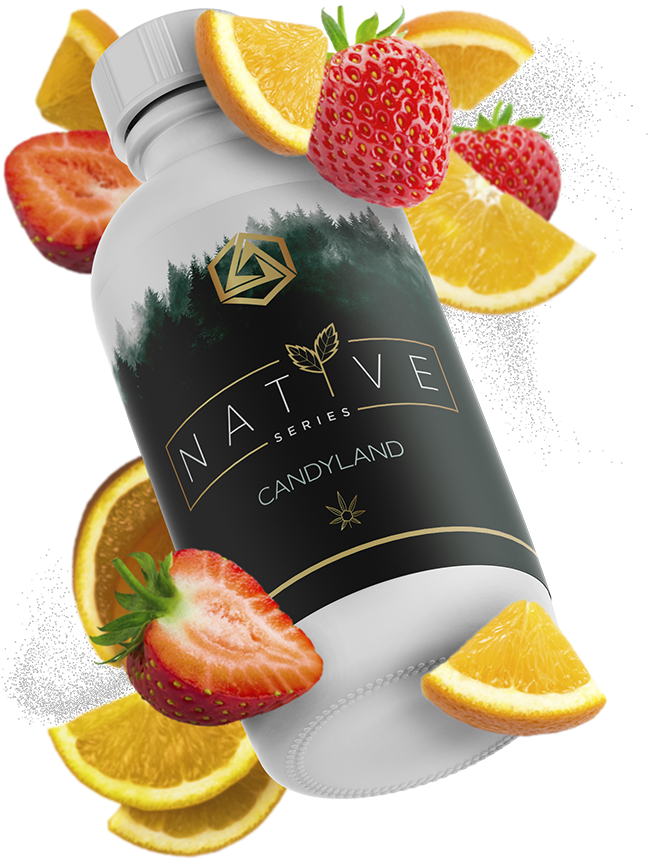
The name sounds cute, but heavy-hitting genetics make Candyland a potent daytime treat. A sweet mixture of citrus and berries provides a delightful mental lift, while light earthy notes instill peace and relaxation.


The Kush Cake Strain’s Cookies Lineage and Dessert-Forward Gas Profile Make it a Formulator’s Secret Weapon Last updated: September 19,...


How cannabis vape manufacturers can use “newstalgia” to stand out on crowded dispensary shelves. Nostalgia sells, and the brands paying...

What the Cannabis Industry Gets Wrong About Terpenes, and Why It Matters for Your Products Terpenes are one of the...

New peer-reviewed research from Abstrax confirms which specific compounds are behind the "fats and waxes" fraction in BHO and exactly...

What Strawnana’s 100% Exotic Factor and Cannabis Cup Record Mean for your Dessert Weed Lineup Strawnana, also known as Strawberry...

A guide to filling equipment, vape formulation compatibility, and production consistency at scale. Author: The VapeJet Editorial Team Reviewed by:...

Discover 10 Candy Gas Strains Analyzed by Abstrax, from Bacio Gelato and Runtz OG to Unicorn Poop and Beyond Candy...

New Research on Linalool, b-Myrcene, and CBD Reveals Sex-Specific Responses in an Inhalation Study Anxiety is one of the most...

How cannabis brands can use niche holidays to build deeper consumer relationships and drive year-round loyalty. Cannabis consumers are more...